 English
 Español


Once you have chosen a supplier, five things decide whether an import from China goes smoothly: machines built for your local power and fuel, a clear order specification, sound export packing, a plan for installation, and a starter stock of spare parts. A dryer that will not connect to the local gas supply, or a machine standing idle for two weeks while a door seal is couriered over: problems like these usually start with something left vague at the order stage.
This checklist covers the steps from order to first wash. If you are still comparing suppliers, start with our guide on how to evaluate an industrial laundry equipment manufacturer.
Step 1: Match the machines to your local power and fuel
Chinese industrial laundry machines are commonly built for 3-phase 380 V, 50 Hz. Many markets use other voltages or 60 Hz.
- Tell the supplier your grid voltage and frequency in writing, and make sure it appears on the proforma invoice. At HOZO any supply voltage can be built to order, but only if we know it before production; a non-standard voltage may extend the lead time.
- Choose the heating type for each machine based on what you can actually get on site: steam from a boiler or an industrial park, natural gas, LPG, or electricity. A gas dryer built for LPG needs different burner settings from one built for natural gas.
- Check electric heating against your supply. Electric heating on large machines draws heavy current and can exceed what a small building’s connection can deliver.
Step 2: Write a complete order specification
A short proforma invoice that lists only model numbers leaves too much open. For each machine, confirm:
| Item | Why it matters |
|---|---|
| Model and capacity | Avoids substitutions |
| Voltage, phase and frequency | Must match your grid |
| Heating type (steam, gas type, electric) | Decides the connections and burners |
| Control panel language | Operators must be able to read it |
| Options (e.g. tilting, extra soap supply points, folding programs) | Easy to forget, costly to add later |
| Installation drawings and data sheets | Your contractor needs them before the machines arrive |
| Manuals and wiring diagrams | Needed for installation and repairs |
| Spare parts kit (see Step 6) | Travels in the same container at no extra freight; sent later, it needs a courier |
| Packing method | Affects damage risk at sea |
Ask for the installation drawings as soon as the order is confirmed and give them to your building contractor. Our site preparation checklist explains what they need to build before delivery: laundry equipment installation requirements.
Step 3: Plan around the real lead time
At HOZO, standard machines usually ship in 10 to 15 days. Larger orders, customized configurations and complete plant packages take up to 30 days. Sea freight is separate and depends on your route and port, so add it on top rather than reading the two as one number.
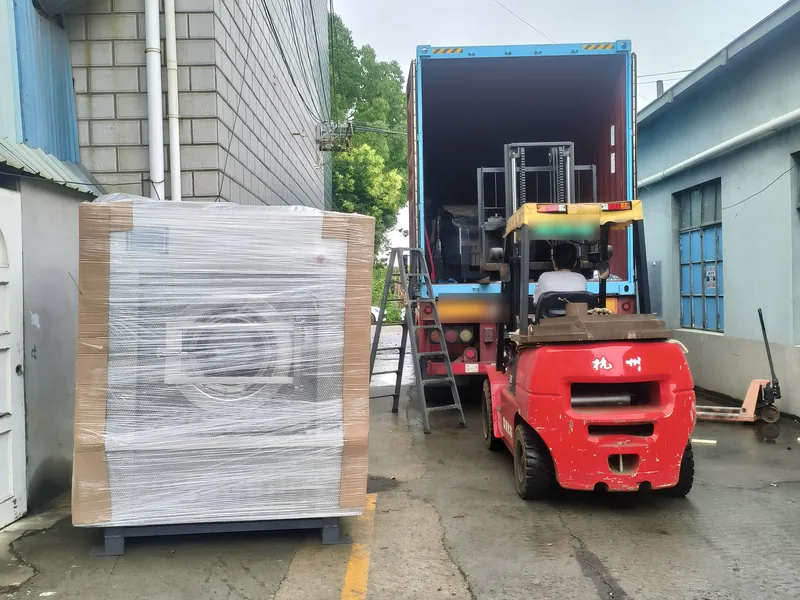
Two things keep the schedule on track:
- Start site work when you place the order, not when the goods ship. Drainage trenches, power supply and gas or steam lines usually take longer than building the machines.
- Book the container early in peak seasons, when space is tight on many routes.
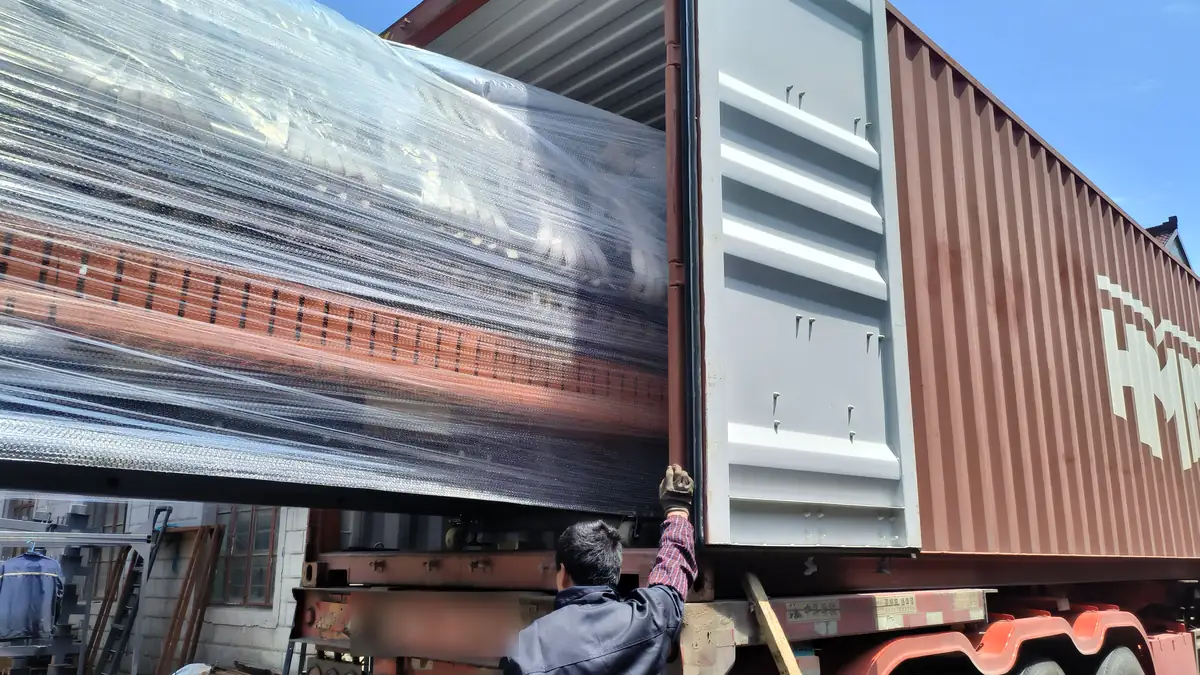
Step 4: Check packing and container loading
Laundry machines are heavy and travel for weeks through humid sea air.
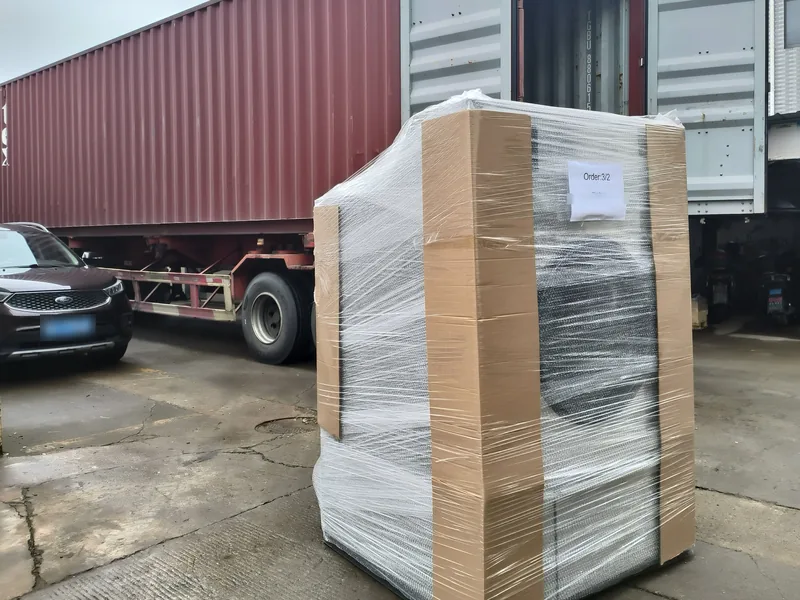
- Ask how each machine is packed. Smaller machines are often crated in plywood; large machines may travel on skids with heavy film wrap. Either way, ask what protects the electrics and bare steel from moisture.
- Most of our orders ship in 40 ft high-cube containers; the exact mix depends on the machines you order.
- Ask for photos of the loaded container before it is sealed. They help with any insurance claim and show that heavy items are secured against shifting.
Step 5: Inspect on arrival, before you sign
- Photograph the container doors and seal, then each crate as it comes out. Note any damage on the delivery receipt before signing it.
- Check the contents against the packing list, including the spare parts kit, manuals and accessories.
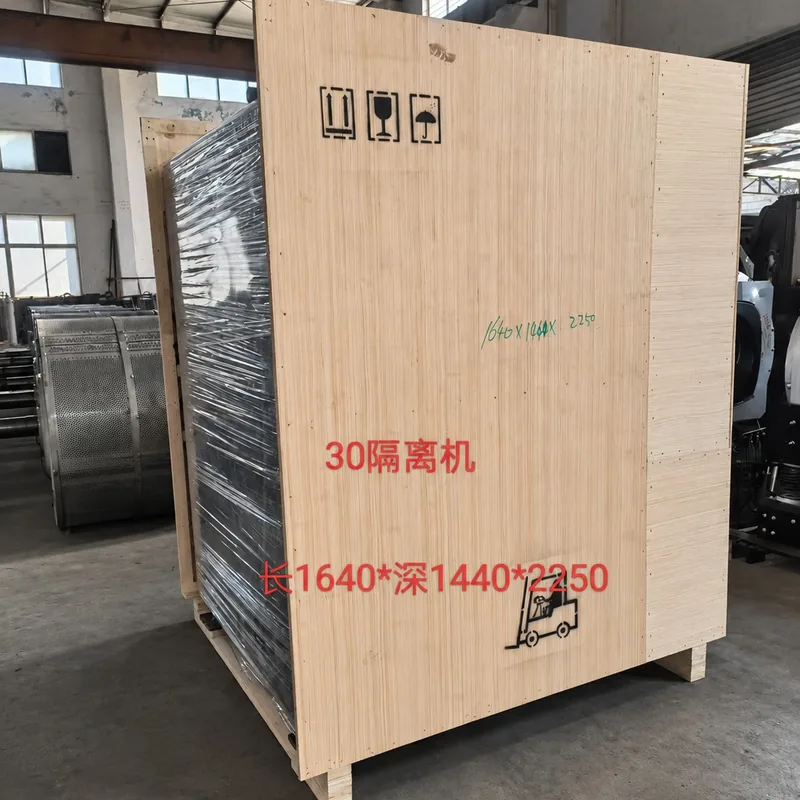
- Remove transport fixings before running anything. Washer extractors are shipped with transport brackets or timbers that lock the suspended drum. Running a machine with them still fitted can damage it on the first spin.
Step 6: Order a starter kit of spare parts
Ship wear parts with the machines. Waiting for a courier from China for a small part can stop a machine for a week or more. Ask your supplier for a recommended list for your machines and quantities. A typical starter kit covers items such as:
- Door gaskets and seals for washer extractors
- Drive belts
- Drain valve parts
- Ironer guide tapes and padding (see our guide to replacing guide tapes on an ironing line)
- Folder belts and sensors
- Fuses, relays and a spare control board for critical machines
Also ask which components are standard industrial parts, such as bearings, motors, inverters and pneumatic valves, so that your technicians can source them locally in an emergency.
Step 7: Decide who installs and commissions
Factory-direct pricing usually does not include on-site service, which is part of why it is lower. Decide the installation route before the machines arrive. There are three common routes:
- Your own technicians or contractor, working from the installation drawings and manuals, with remote support from the factory.
- A local partner who installs and services the equipment.
- Engineers from the factory travelling to your site. At HOZO this can be arranged, with travel costs quoted separately.
Whichever route you take, plan a commissioning session over video call: the factory engineer walks your team through the first cycles, checks settings and answers questions while the machines are running. HOZO provides remote technical support for the life of the equipment, and the warranty runs for 12 months.
For distributors: building a product line
If you are importing to resell, a few points matter beyond a single installation:
- Private label (OEM/ODM). Many Chinese manufacturers, HOZO included, build machines under the distributor’s own brand. The range runs from washer extractors and tumble dryers to flatwork ironers and a dedicated pillowcase ironing line, so one supplier can fill a container.
- Order size. We have no minimum order quantity, so you can start with one demonstration machine and grow from there.
- Mixed containers. Combining washers, dryers and finishing equipment in one container lowers freight cost per machine.
- Parts stock and training. Your customers will judge you on how fast you fix a stopped machine. Hold a parts stock, and have at least one technician trained on each machine type.
Import checklist
| Stage | Done when |
|---|---|
| Specification | Voltage, frequency, heating type and options confirmed on the proforma invoice |
| Documents | Installation drawings, data sheets, manuals and wiring diagrams received |
| Site | Building work started at order, utilities ready before arrival |
| Shipping | Packing method agreed, loading photos received |
| Arrival | Damage noted before signing, contents checked, transport fixings removed |
| Parts | Starter kit received with the machines |
| Installation | Route chosen, commissioning call booked |
Tell us your country, grid voltage and the fuel you have on site, and we will suggest a machine list and how it fits into containers. Send us your project details.
Questions importers ask us
Can Chinese laundry machines run on 60 Hz or 220 V supplies?
Many can be built for them, but the voltage has to be specified before production. At HOZO the supply voltage can be customized; confirm your voltage and frequency on the order.
How long does it take to import laundry equipment from China?
At HOZO, standard machines usually ship in 10 to 15 days, and large or customized orders and complete plants take up to 30 days. Sea freight is added on top and depends on your route.
Who installs the equipment after it arrives?
Your own technicians, a local partner, or engineers from the factory. HOZO engineers can travel to site, with travel costs quoted separately, and remote support is provided for the life of the machines.
What spare parts should I order with my first shipment?
Wear parts such as door gaskets and seals, belts, drain valve parts, ironer guide tapes and padding, folder belts and sensors, plus key electrical parts for critical machines.
About the Author: HOZO Engineering Team, with 30+ years of industrial laundry equipment manufacturing experience. HOZO is an industrial laundry equipment manufacturer in Shanghai, China, building washer extractors, tumble dryers, flatwork ironers and finishing equipment for laundries in more than 80 countries.